The latest innovation in the China of robot drive axis.

Latest News
Breaking the Cage of Static Automation: Why a Robot Motion Extension Axis is the Key to Your Factory's Future
Release time:
May 11,2026
In the modern landscape of high-speed manufacturing, a robot confined to a fixed pedestal is a wasted asset. Our Robot Motion Extension Axis, also known as a linear transfer unit, is precision-engineered to liberate your robotic arms from their stationary limitations
In the modern landscape of high-speed manufacturing, a robot confined to a fixed pedestal is a wasted asset. Our Robot Motion Extension Axis, also known as a linear transfer unit, is precision-engineered to liberate your robotic arms from their stationary limitations. By adding a dynamic seventh axis of movement, this system allows a single robot to traverse significant distances, effectively turning one machine into a multi-station workhorse. Built with high-stiffness aluminum or steel profiles and synchronized via advanced servo-drive technology, our extension axes offer seamless integration with world-leading robot brands. Whether you are automating a long line of CNC machines, managing expansive palletizing zones, or performing complex overhead welding, this system provides the structural integrity and high-speed mobility required to transform a cramped production cell into a sprawling, efficient automated ecosystem.
The strategic advantage of implementing a robot motion extension axis lies in its ability to solve the most frustrating pain points of production managers: limited reach and underutilized automation. We understand that floor space is a premium commodity, and purchasing multiple robots for separate tasks often leads to prohibitive costs and maintenance headaches. Our extension axis addresses these challenges by allowing one robot to "patrol" between different workstations with sub-millimeter repeatability. For project engineers, the primary hurdle is often maintaining accuracy over long strokes; our systems utilize high-precision ground racks and linear guides to ensure that even at a travel length of 20 meters, the robot arrives at its destination with surgical precision. By choosing this scalable solution, you are not just extending a robot's reach—you are eliminating the bottleneck of static positioning, reducing your total capital expenditure, and creating a flexible production flow that can be reconfigured as your business grows.
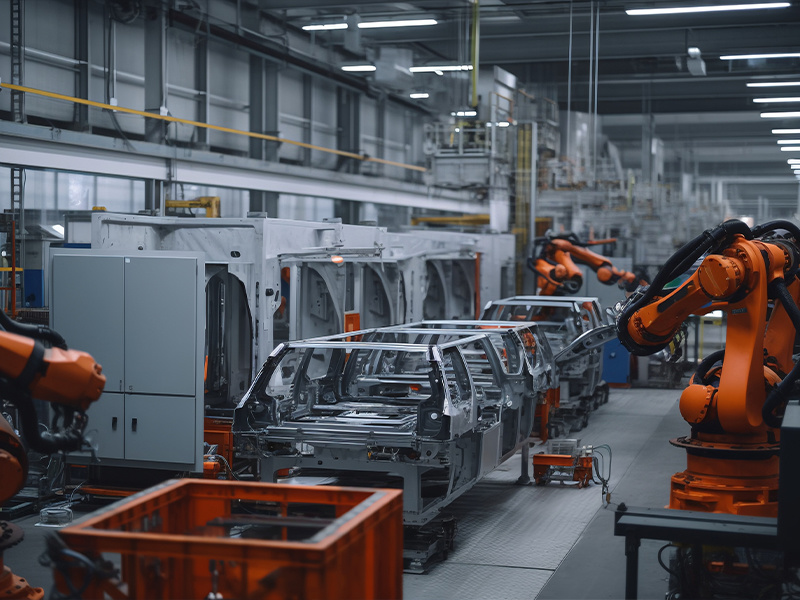
The real-world impact of this enhanced mobility is best demonstrated in the high-stakes automotive and heavy machinery sectors. Recently, a major manufacturing hub utilized our robot motion extension axis to automate a 12-meter-long structural welding line. Previously, the facility required two separate robots with overlapping zones, which caused frequent synchronization errors and high energy consumption. By replacing them with a single high-payload robot mounted on our precision extension track, the client achieved a 30% reduction in equipment costs and a 20% improvement in cycle efficiency. The robot could now fluidly transition from picking raw parts to welding and finally to inspection stations in one continuous motion. This success story proves that the right motion extension technology doesn't just move hardware—it accelerates your entire operational velocity. Elevate your automation standards today and experience the difference that precision linear motion can make on your bottom line.
keywords
Guangzhou Seventh Axis Intelligent Equipment Co., Ltd.
We provide our products with a golden service team, a quick response mechanism, and lifelong follow-up services, so that you can work together without worry.
Xintai Technology Industrial Park, No. 62 Dachong Road, Nansha District, Guangzhou
GET IN TOUCH
Online Message

puenshi

Guangzhou Seventh Axis Intelligent Equipment Co., Ltd.
Tel: 020-83150912
Mobile phone:+86 18998358207
Email: fjx18998358207@dqzrobot.cn
Address: Xintai Technology Industrial Park, No. 62 Dachong Road, Nansha District, Guangzhou